Castle Research Group
Welcome to the Sustainable Landscapes & Livelihoods Lab at the University of Wisconsin–Madison!
We are working to address environmental and social challenges with equitable, landscape-level science.
The Sustainable Landscapes & Livelihoods Research Group at the University of Wisconsin–Madison aims to bring together environmental science, social inquiry, and geospatial innovation to tackle questions around how to create landscapes that support both people and the planet. Our work investigates the social-ecological dynamics of forests, agroforestry, and agricultural systems to advance natural climate solutions, enhance sustainable livelihoods, and promote environmental justice. We combine remote sensing, data science, and policy evaluation with deep engagement in the social and political realities of land use and land use change. In doing so, we aim to generate the empirical evidence to shape policies and practices that foster resilient landscapes, equitable development, and thriving communities in Wisconsin, across the United States, and globally.
The research at the Sustainable Landscapes & Livelihoods Lab is focused on (1) improving the design and effectiveness of conservation and restoration policies, (2) understanding the social-ecological drivers sustainable land use changes, and (3) using large-scale public datasets and causal inference tools to understand synergies and tradeoffs between conservation and development. We employ a diverse range of methodologies, from qualitative field data collection and behavioral experiments to advanced geospatial analysis, remote sensing, and computational modeling.
We are proud to be a part of the College of Agricultural and Life Sciences, a community dedicated to advancing and sharing knowledge, discovering solutions, and promoting opportunities in food and agriculture, bioenergy, health, the environment, and human well-being.
Sustainable Landscapes & Livelihoods Research
Agroforestry and Climate-Smart Agriculture
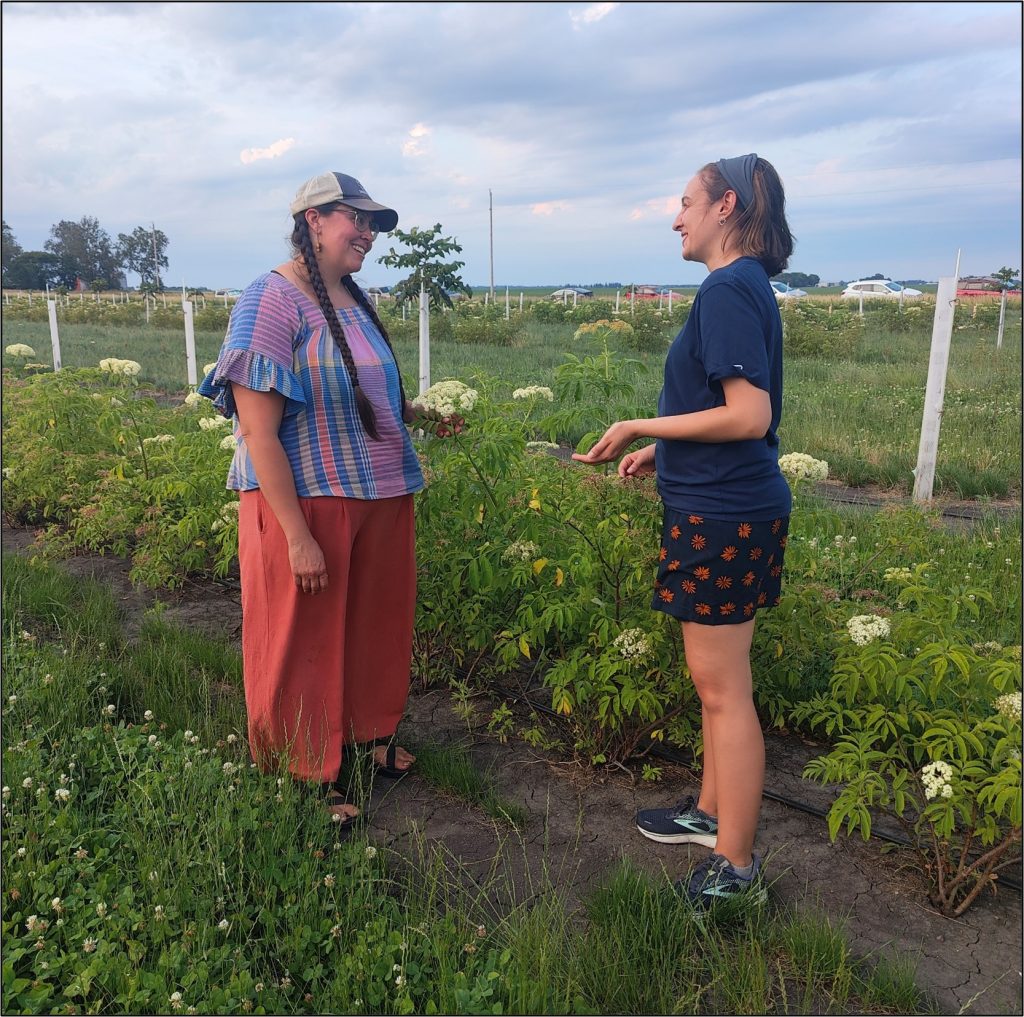
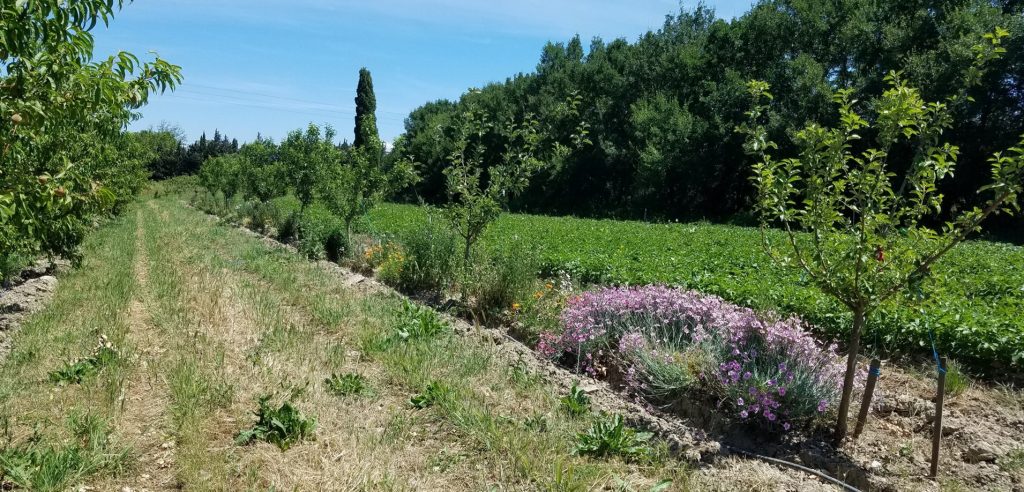
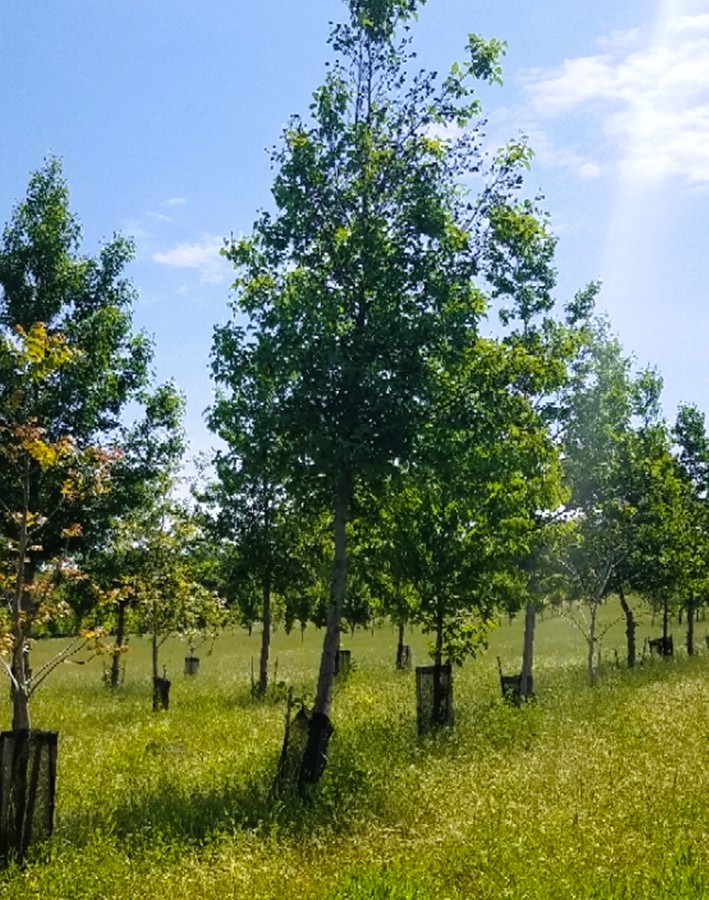
We study the opportunities and tradeoffs of integrating trees into farming systems, from global evidence syntheses to field-based work with farmers in the U.S. Midwest. By mapping the ecological and social suitability of agroforestry and analyzing barriers to adoption, we seek to expand practices that can sequester carbon, enhance biodiversity, and support farmer livelihoods. Our decision-support tools and policy engagement efforts aim to accelerate the adoption of climate-smart practices that are both environmentally and socially sustainable.
Our research aims to advance new approaches to climate-smart agriculture by integrating digital monitoring systems, participatory co-design with farmers, and cross-scale evidence syntheses that can guide climate finance, inform adaptation planning, and ensure equity in agricultural transitions. By bridging local fieldwork with global datasets and decision-support platforms, we aim to shape how agricultural landscapes are designed and governed in a climate-constrained future. By linking ecological indicators with measures of farmer well-being, our work will help chart how agricultural landscapes can simultaneously contribute to climate adaptation, mitigation, and food security.
Forests, Conservation Policy, and Livelihoods
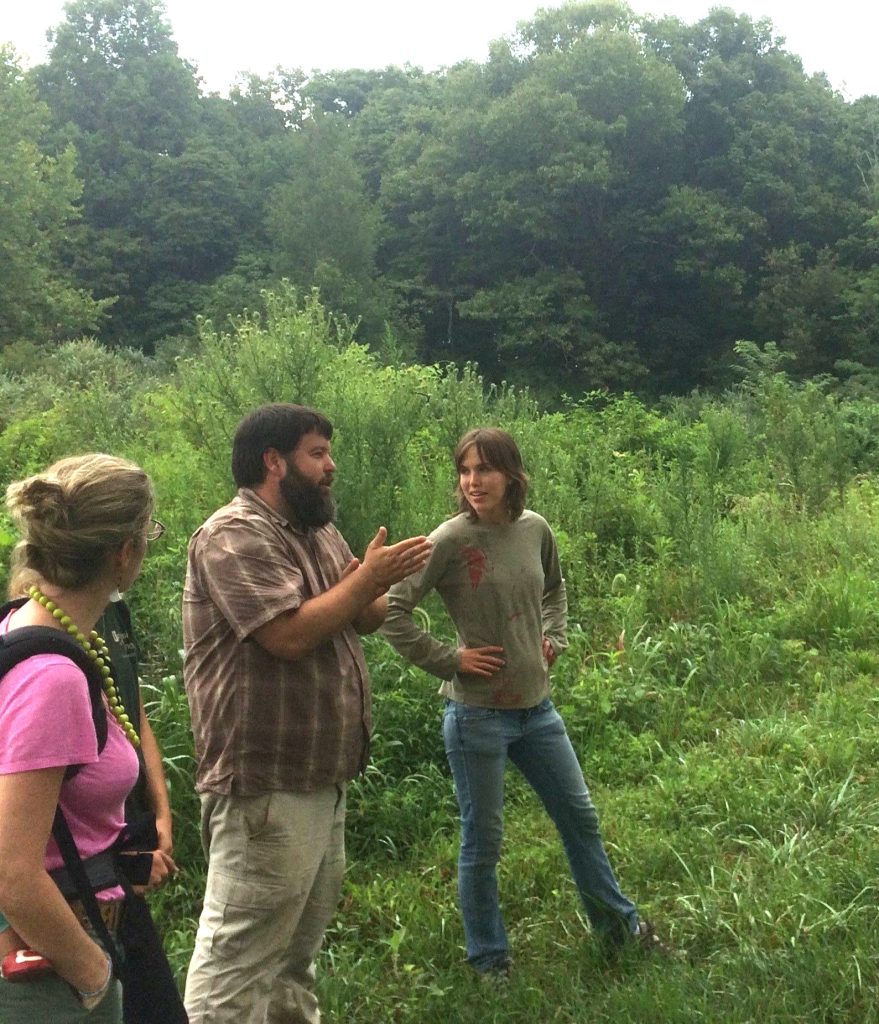
Our work investigates how forests and conservation strategies intersect with human well-being. We ask how forest protection and restoration can simultaneously secure biodiversity, sustain ecosystem services, and support the rights and livelihoods of forest-proximate communities. As a part of the Forests and Livelihoods: Assessment, Research, and Engagement (FLARE) Network, we are developing indicators to measure forest dependency and adaptation outcomes. We are also working to evaluate the joint social and ecological impacts of conservation policies and identify governance approaches that balance global climate goals with local development needs.
By bridging remote sensing, field-based research, and participatory methods, we aim to generate actionable evidence on how forest conservation can equitably contribute to resilience and prosperity in a changing climate. This work shines light on who benefits – and who bears the costs – of conservation interventions, informing strategies for more just and effective forest governance.
Remote Sensing of Natural Climate Solutions
Our lab contributes to shaping high-integrity voluntary carbon markets by advancing digital monitoring, reporting, and verification (dMRV) systems. We investigate how satellite-based data can improve transparency and accountability in carbon accounting, while foregrounding questions of ethics, equity, and community rights. By engaging with policymakers, practitioners, and local stakeholders, our research aims to ensure that nature-based solutions deliver real climate benefits and support just transitions for people most affected by environmental change.
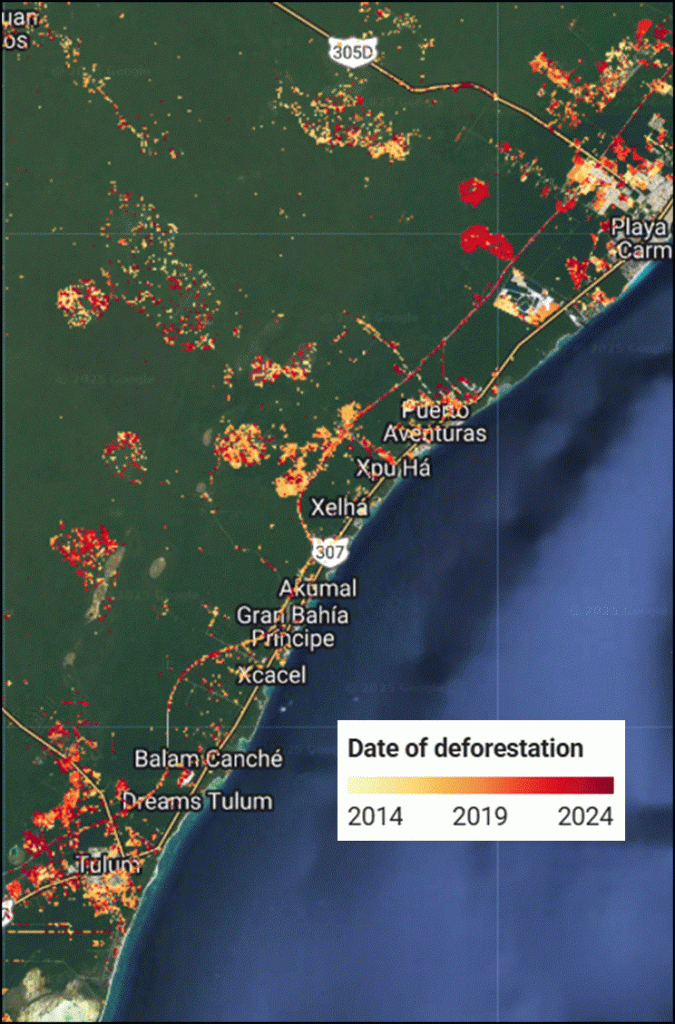
We develop and apply innovative methods at the frontier of environmental data science, leveraging satellite imagery and machine learning for high-frequency monitoring of forests and land-use change. Our team integrates these data into causal inference frameworks to evaluate the impacts of policies and infrastructure on forests, carbon, and communities. From REDD+ projects in the Amazon to infrastructure development in Mexico’s Yucatán, we explore how digital monitoring and evaluation can improve climate policy while addressing equity and data justice concerns.
Biodiversity, Ecosystem Services, and Climate Adaptation
Our research explores how biodiversity and ecosystem services underpin the resilience of agroecosystems and forest landscapes in a changing climate. We study how ecological processes – such as carbon storage, water regulation, and biodiversity – support climate adaptation for both ecosystems and people. A central focus is developing and applying indicators to measure these linkages: from monitoring forest-based adaptation and forest dependency to tracking how diversified agriculture sustains ecosystem functions.
By integrating ecological, social, and policy perspectives, this research theme generates evidence to guide sustainable and equitable adaptation strategies. Ultimately, our goal is to provide robust tools and knowledge that help decision-makers and communities align biodiversity conservation, agricultural sustainability, and climate resilience.